

Back Pain That Responds to Acupuncture
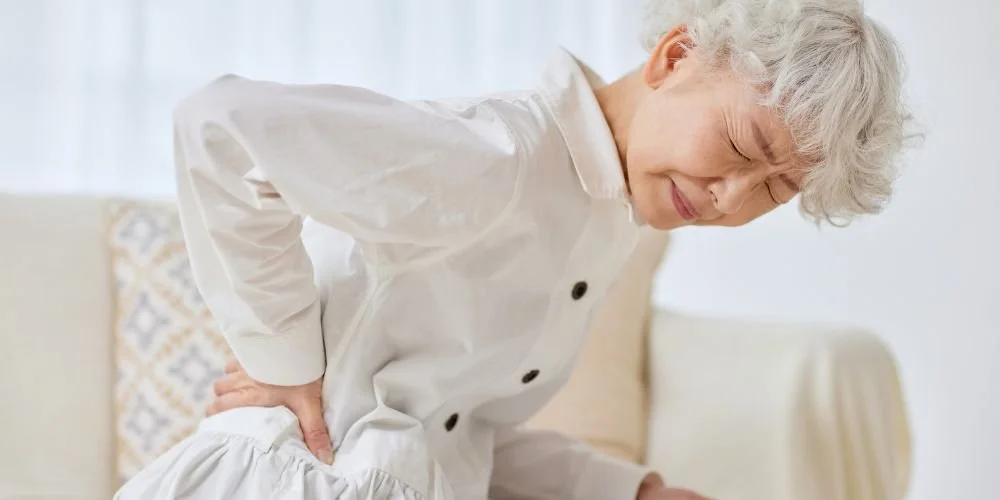
A licensed acupuncturist explains how acupuncture supports lower back pain, SI joint dysfunction, and piriformis syndrome—without relying on medication.
Back pain is one of the most common reasons adults seek medical care—and one of the leading causes of disability worldwide. While many people think of “back pain” as a single condition, effective treatment depends on identifying the specific source of discomfort.
Both clinical experience and research indicate that acupuncture can be particularly effective for three common back pain patterns: lower back pain, sacroiliac (SI) joint dysfunction, and piriformis syndrome. Rather than applying a one-size-fits-all approach, treatment is tailored to the underlying pattern of tension, inflammation, and nerve involvement.
1. Lower Back Pain
Lower back pain is among the most prevalent musculoskeletal conditions globally and a major cause of missed workdays. It may arise from muscle strain, ligament irritation, postural stress, disc-related changes, or prolonged sitting.
Lower back pain often presents as:
• Pain centered in the lower back that spreads across both sides
• Symptoms that worsen with overactivity or prolonged sitting
• A dull, aching sensation that remains relatively localized
Treatment focuses on easing muscular tension, improving circulation to affected tissues, and regulating pain signaling within the nervous system. Large-scale studies have shown that acupuncture can provide meaningful relief and improved function in chronic low back pain—often with fewer side effects than long-term medication use. This approach is particularly valuable for non-specific lower back pain, where imaging does not reveal a clear surgical cause.
2. Sacroiliac (SI) Joint Pain
SI joint dysfunction is frequently mistaken for general low back pain, yet it accounts for a significant portion of chronic back pain cases. The sacroiliac joints connect the spine to the pelvis and play a crucial role in weight transfer during standing and walking.
SI joint pain often presents as:
• Pain on one side of the lower back or buttock
• Discomfort aggravated by standing, stair climbing, or rising from a seated position
• Symptoms that may mimic sciatica
Care for SI joint dysfunction centers on restoring balance in the muscles and connective tissues surrounding the pelvis. By addressing inflammation, muscular compensation patterns, and nervous system sensitization, treatment helps improve joint stability and reduce recurring flare-ups. When combined with movement modification and supportive therapies, acupuncture offers a non-invasive option for managing SI joint pain.
3. Piriformis Syndrome
Piriformis syndrome develops when the piriformis muscle—located deep in the buttock—compresses or irritates the sciatic nerve. Although symptoms can resemble disc-related sciatica, the underlying cause is muscular rather than spinal.
Common signs include:
• One-sided deep gluteal pain
• Pain radiating down the back of the leg
• Increased discomfort with sitting, driving, or disrupted sleep
Treatment emphasizes releasing deep muscular tension, improving circulation around affected nerve pathways, and calming local inflammation. Clinical evidence supports acupuncture’s role in reducing sciatica-like symptoms, decreasing pain intensity, and improving mobility in patients with piriformis-related pain.
A Targeted, Integrative Approach to Back Pain Care
Not all back pain requires the same treatment—and understanding its source is essential. By distinguishing between lower back pain, SI joint dysfunction, and piriformis syndrome, care can be more precise and outcomes more sustainable. Traditional Chinese Medicine (TCM) offers a comprehensive, multi-modality approach that goes beyond acupuncture alone. Techniques such as fire cupping help increase local circulation and relieve muscle tension, Tui Na therapeutic massage restores mobility and corrects musculoskeletal imbalances, and Gua Sha reduces inflammation and promotes tissue recovery. When combined with acupuncture, these therapies create a targeted, synergistic treatment plan tailored to each patient’s condition.
Pain is a signal. It tells us when something is being done too much—or too little. When we listen carefully, pain becomes not just a symptom to silence, but a message guiding us back toward balance.
Frequently Asked Questions
Does acupuncture really work for back pain?
Research shows acupuncture can significantly reduce chronic back pain and improve function, especially when used consistently.
How many sessions do I need for back pain?
Most patients begin noticing improvement within 3–12 treatments, depending on severity and duration.
Is acupuncture safe for sciatica?
Yes. Acupuncture is commonly used to relieve nerve-related pain, including sciatica and piriformis syndrome.
Is acupuncture better than pain medication?
Acupuncture offers a non-drug approach that addresses the root cause, not just symptoms, with fewer side effects.
Author Bio
Dr. Nina Jatuparisuthiseen, DAc, L.Ac., C.SMA
Dr. Nina is a licensed acupuncturist and founder of Nina Acupuncture in Westport, Connecticut. She specializes in evidence-informed pain management, sports medicine acupuncture, nervous system regulation, and integrative lifestyle medicine. With over a decade of clinical experience and more than 10,000 hours of hands-on care, she is dedicated to advancing patient-centered, nonpharmacological approaches to modern healthcare