

Alpha-Gal Syndrome After a Tick Bite: What It Is and How SAAT® May Help
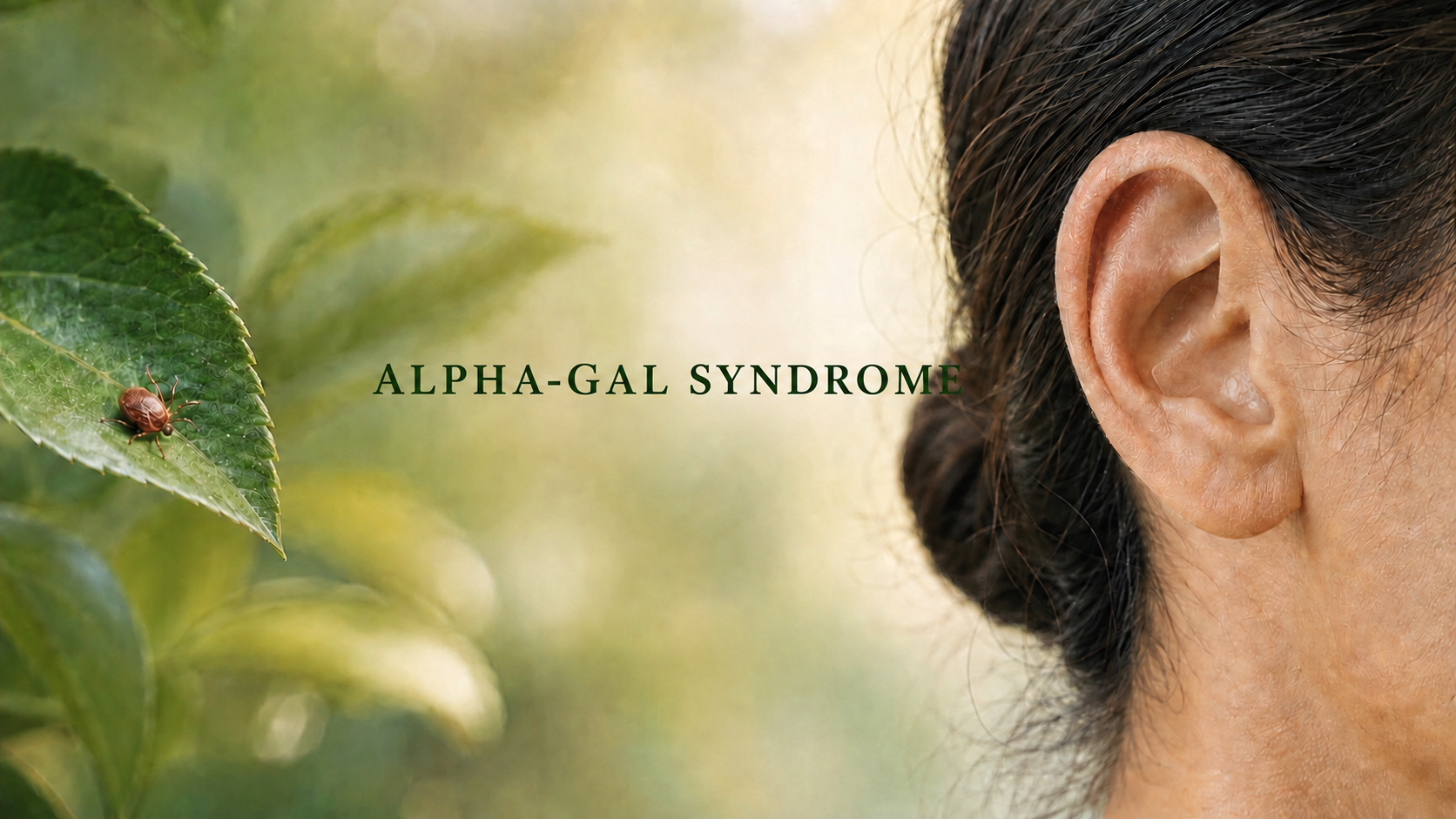
A delayed allergy to red meat and other mammalian products can be confusing, disruptive, and sometimes dangerous. Understanding Alpha-gal Syndrome—and knowing how to care for yourself before and after treatment—is an important first step.
For many people, a tick bite is associated with concerns about Lyme disease. But certain tick bites can also trigger a very different health problem: an allergy to red meat and other products derived from mammals.
This condition is known as Alpha-gal Syndrome (AGS). Unlike many food allergies, which cause symptoms within minutes, Alpha-gal reactions are often delayed for several hours. This can make the connection between the food and the reaction difficult to recognize.
At Nina Acupuncture, I offer Soliman Auricular Allergy Treatment (SAAT®), a specialized form of ear acupuncture used for Alpha-gal and other allergic sensitivities. This article explains what Alpha-gal Syndrome is, how SAAT developed, what treatment involves, and how patients can care for themselves before, during, and after treatment.
What Is Alpha-Gal Syndrome?
Alpha-gal is the shortened name for galactose-alpha-1,3-galactose, a sugar molecule found in most mammals. It is not naturally present in humans, apes, or monkeys.
Alpha-gal Syndrome is a potentially serious allergy that can develop after the bite of certain ticks. In the United States, it is most commonly associated with the lone star tick, although other tick species may also be involved.
When a tick carrying alpha-gal bites a person, substances in the tick’s saliva may stimulate the immune system to produce IgE antibodies against the alpha-gal molecule. After this sensitization occurs, the immune system may react when the person later eats or encounters something containing alpha-gal.
Because Alpha-gal is found in mammalian tissue, possible triggers may include:
Beef, pork, lamb, venison, rabbit, and other mammalian meats
Organ meats
Gelatin derived from beef or pork
Broth, gravy, lard, tallow, or products made with mammalian fat
Dairy products for people who are sensitive to them
Certain medications, supplements, vaccines, personal-care products, or medical products containing mammal-derived ingredients
Poultry, fish, seafood, eggs, fruits, and vegetables do not naturally contain alpha-gal.
Sensitivity varies significantly from person to person. One individual may react primarily to red meat, while another may also need to avoid dairy, gelatin, or small amounts of mammalian ingredients in medications and household products. Reactions can also vary in severity from one exposure to another.
Why Alpha-Gal Reactions Can Be Difficult to Recognize
Most familiar food allergies cause symptoms soon after exposure. Alpha-gal reactions commonly begin two to six hours after eating or encountering a triggering product. A person might eat meat at dinner and wake during the night with hives, stomach pain, swelling, or difficulty breathing.
Possible symptoms include:
Hives, itching, or a skin rash
Swelling of the lips, tongue, eyelids, or throat
Abdominal pain, nausea, vomiting, heartburn, or diarrhea
Coughing, wheezing, shortness of breath, or difficulty breathing
Dizziness, faintness, or a drop in blood pressure
Anaphylaxis, a potentially life-threatening allergic reaction
Some people experience mostly digestive symptoms without the hives or breathing problems typically associated with an allergy. The delayed timing and wide range of symptoms are among the reasons diagnosis may take time.
If you suspect Alpha-gal Syndrome, speak with an allergist or another qualified medical provider. Diagnosis generally includes a detailed health and exposure history, a physical examination, and a blood test for alpha-gal-specific IgE antibodies. A positive blood test alone does not necessarily confirm the syndrome; the result must be considered together with symptoms and history.
How Is Alpha-Gal Syndrome Conventionally Managed?
There is currently no universally established medical cure for Alpha-gal Syndrome. Conventional management focuses on preventing reactions by identifying and avoiding personal triggers, preventing additional tick bites, and preparing for emergencies.
A medical provider may recommend antihistamines or prescribe epinephrine based on the patient’s history and risk. Anyone who has been prescribed emergency epinephrine should continue carrying it and should know when and how to use it.
New tick bites may increase or reactivate sensitivity, so tick prevention remains essential even after symptoms improve. Use appropriate insect repellent, wear protective clothing outdoors, check the body carefully after time in wooded or grassy areas, and remove attached ticks promptly and correctly.
What Is SAAT®?
SAAT stands for Soliman Auricular Allergy Treatment. It is a specialized auricular acupuncture method developed by Dr. Nader Soliman. The technique grew from the modern system of ear acupuncture pioneered by French physician Dr. Paul Nogier during the twentieth century.
Auricular acupuncture is based on the understanding that specific areas of the outer ear correspond with neurological and physiological functions in the body. Dr. Soliman expanded this approach to create a highly specific protocol for allergic sensitivities.
SAAT has been used clinically for food, environmental, chemical, and medication sensitivities, including Alpha-gal Syndrome. Published research includes a small comparative allergy study and an observational case series involving patients with Alpha-gal. The findings are encouraging, but the evidence remains limited; larger controlled studies are needed.
For this reason, SAAT should be presented as a complementary treatment that may help reduce allergic sensitivity or improve symptoms, not as a guaranteed cure. It does not replace medical diagnosis, an allergist, prescribed medication, emergency epinephrine, or an individualized allergy-management plan.
What Happens During SAAT Treatment?
SAAT uses a very small sterile intradermal needle placed in a carefully selected point on the outer ear. The precise point is identified according to the patient’s response and the allergen being addressed.
After insertion, the tiny needle is covered with a protective surgical adhesive and typically remains in place for approximately three to four weeks. This provides gentle, continuous stimulation to the selected auricular point.
The appointment includes a review of the patient’s health history, allergic reactions, known triggers, medications, emergency plan, and treatment expectations. Because every person’s sensitivity pattern is different, the treatment and follow-up recommendations are individualized.
The needle is very small, but mild tenderness, soreness, or itching around the insertion site can occur. Patients receive instructions for monitoring and protecting the ear while the needle remains in place.
How to Prepare Before SAAT Treatment
1. Obtain appropriate medical evaluation
SAAT is not a diagnostic test. If you have suspected or confirmed Alpha-gal Syndrome, continue working with your allergist or medical provider. Bring relevant test results, a list of known reactions, and information about any emergency medication to your appointment.
2. Continue avoiding known triggers
You do not need to eat or bring a food that has caused a reaction. Do not intentionally expose yourself to alpha-gal before your appointment. Continue following the avoidance plan recommended by your medical provider.
3. Continue prescribed medications
Do not stop antihistamines, epinephrine, or other prescribed medication unless the prescribing clinician tells you to do so. Please tell your SAAT practitioner about all medications and supplements you use.
4. Share relevant skin and medical information
Tell your practitioner if you have a history of reactions to adhesives or metals, active irritation or infection around the ears, a tendency to faint with needles, or any condition that may affect healing.
5. Arrive well hydrated and nourished
Unless your medical provider has instructed otherwise, eat a normal safe meal and drink water before treatment. This can make the experience more comfortable, particularly for people who feel lightheaded around needles.
Caring for the Ear During the Three-to-Four-Week Treatment Period
Follow the written aftercare instructions provided at your appointment.
Keep the needle and adhesive protected, clean, and as dry as possible.
Do not pull, twist, press, or repeatedly touch the needle.
Avoid scratching the area, even if mild itching develops.
Use care when washing your hair, changing clothing, brushing your hair, sleeping, or using headphones so the adhesive does not catch or loosen.
Do not replace or reinsert the needle yourself if it comes out.
Contact the clinic if the adhesive loosens, the needle falls out, or you have questions about the site.
Minor localized tenderness or itching may occur. However, increasing redness, warmth, swelling, drainage, significant pain, or other signs of infection are not expected. Contact Nina Acupuncture promptly for instructions. Seek medical care when necessary, particularly if symptoms are severe or accompanied by fever.
Most importantly, continue avoiding known Alpha-gal triggers while the needle is in place. SAAT treatment is not permission to test a food or product that has previously caused a reaction.
What Should You Do After the Needle Is Removed?
Improvement after SAAT may look different for each person. Some patients report fewer or less intense symptoms, while others may notice limited or no change. Response cannot be guaranteed.
After the treatment period:
Continue following your established allergy and emergency plan.
Continue carrying prescribed epinephrine.
Maintain careful tick-bite prevention.
Track symptoms and possible accidental exposures.
Discuss any changes in symptoms with your allergist or medical provider.
Do not conduct an unsupervised food challenge.
Reintroducing mammalian foods or other Alpha-gal-containing products can carry a risk of a serious delayed reaction. Any food challenge or reintroduction should be discussed with—and, when appropriate, supervised by—an allergist or another qualified medical professional.
When Alpha-Gal Symptoms Require Emergency Care
Call 911 and seek emergency medical care if you experience signs of anaphylaxis, including difficulty breathing, throat or tongue swelling, faintness, a significant drop in blood pressure, or symptoms affecting more than one body system.
If you have been prescribed epinephrine, use it according to your emergency plan. Even if symptoms improve after epinephrine, emergency medical evaluation is still necessary.
SAAT is not an emergency treatment and should never be used in place of epinephrine or urgent medical care.
SAAT® for Alpha-Gal Syndrome at Nina Acupuncture
Living with Alpha-gal Syndrome can affect much more than food choices. Patients may find themselves checking medications, supplements, restaurant ingredients, cosmetics, and household products while also worrying about accidental exposure. Having knowledgeable, individualized support can make this process feel more manageable.
Nina Acupuncture offers Soliman Auricular Allergy Treatment (SAAT®) in Westport, Connecticut, for patients seeking complementary support for Alpha-gal and other allergic sensitivities. Dr. Nina provides individualized care, detailed instructions, and supportive follow-up throughout the treatment period.
If you have been diagnosed with Alpha-gal Syndrome or believe you may be experiencing Alpha-gal reactions, begin with an appropriate medical evaluation. To learn whether SAAT may be a suitable complementary option for you, contact Nina Acupuncture or schedule a consultation.
SAAT is a complementary acupuncture treatment and is not a substitute for diagnosis or care from an allergist or physician. Results vary. Never intentionally expose yourself to a known allergen or discontinue prescribed medication without guidance from your medical provider.
Reference
Centers for Disease Control and Prevention. “About Alpha-gal Syndrome.” Updated January 5, 2026. https://www.cdc.gov/alpha-gal-syndrome/about/
Centers for Disease Control and Prevention. “Symptoms of Alpha-gal Syndrome.” Updated January 5, 2026. https://www.cdc.gov/alpha-gal-syndrome/signs-symptoms/
Centers for Disease Control and Prevention. “Managing Alpha-gal Syndrome.” Updated January 5, 2026. https://www.cdc.gov/alpha-gal-syndrome/managing/
Centers for Disease Control and Prevention. “Clinical Diagnosis and Testing.” Updated January 5, 2026. https://www.cdc.gov/alpha-gal-syndrome/hcp/diagnosis-testing/
Soliman N. “A Comparison Study of the Effectiveness of SAAT (Soliman’s Auricular Allergy Treatment) Approach and Nogier’s Allergy Treatment Technique.” Medical Acupuncture. 2014;26(3):167–172. https://doi.org/10.1089/acu.2014.1032
Bernal M, et al. “Successful Treatment for Alpha Gal Mammal Product Allergy Using Auricular Acupuncture: A Case Series.” Medical Acupuncture. 2021. https://pmc.ncbi.nlm.nih.gov/articles/PMC8729907/
Author Bio
Dr. Nina Jatuparisuthiseen, DAc, L.Ac., C.SMA
Dr. Nina is a licensed acupuncturist and founder of Nina Acupuncture in Westport, Connecticut. She specializes in evidence-informed pain management, sports medicine acupuncture, nervous system regulation, and integrative lifestyle medicine. With over a decade of clinical experience and more than 10,000 hours of hands-on care, she is dedicated to advancing patient-centered, nonpharmacological approaches to modern healthcare